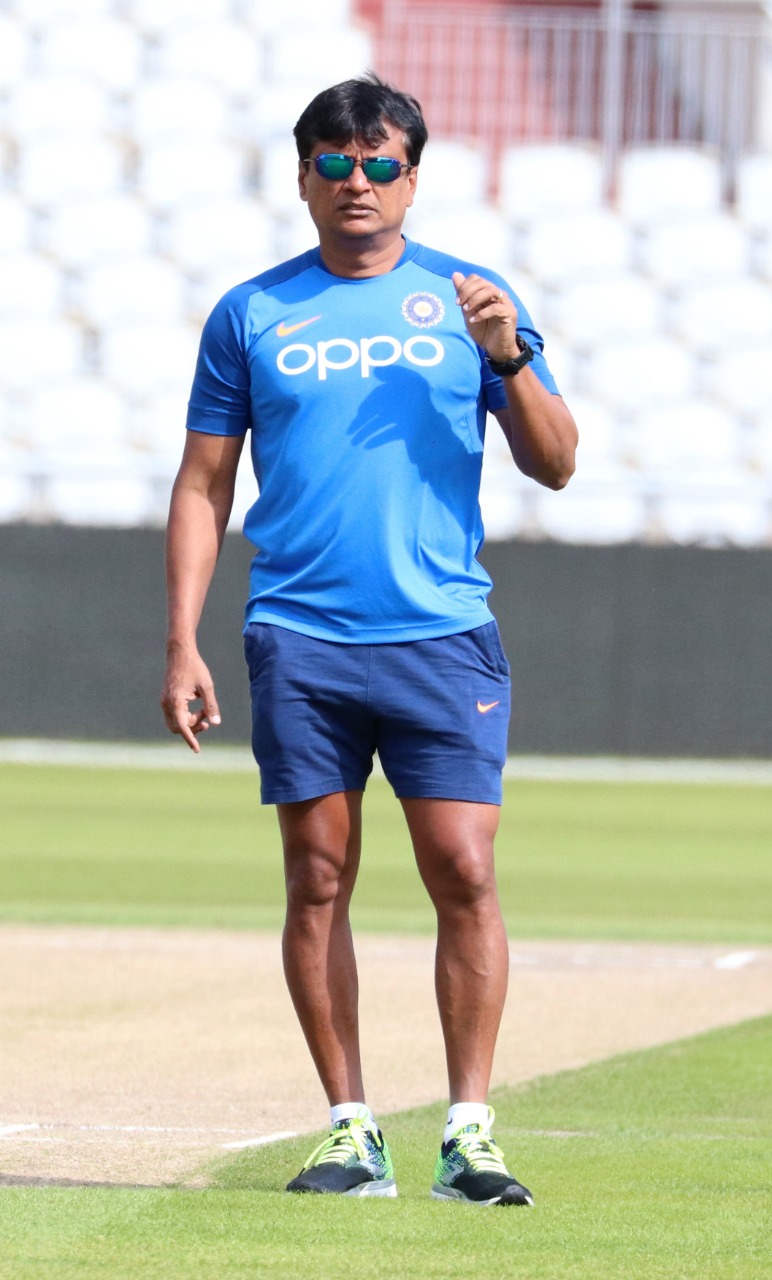
Between & Beyond 22 yards with Basu Shanker (Strength & Conditioning Coach of Royal Challengers Bangalore, Former Strength & Conditioning Coach of Indian Cricket team)

RN: Basu, you worked with the Indian team for 4 years between 2015-2019 and have been involved with Royal Challengers Bangalore for over a decade now. During this time, we have seen fitness & fielding levels in Indian cricket drastically improve. What are some of the biggest changes that have led to this?
BS: I think the biggest reason was Virat Kohli’s leadership and his vision to change the way the Indian team played cricket overseas. Mr. Ravi Shastri who was the head coach at that time was a big supporter of this quest and it made my job easier.
Fitness was certainly the key element and since we had worked together previously, there was a level of comfort. We prepared a blueprint to put this plan across to the rest of the group. So right from a warm up, to strength training, fitness testing, GPS, Dexa scans, everything was reiterated with a renewed vigour and slowly the vision started panning out in reality. So, I would say it was a 4-step method coming to light: VISION, TEAM BUYING IN, PROCESS and PERFORMANCE.

RN: As a strength & conditioning coach & former Asian Games medallist, do you think young kids should be encouraged to be multi-sport athletes or should they start specialising in one sport early? What are the pros & cons?
BS: I always espouse the theory that young kids should be exposed to multiple sports upto at least 12 or 13 years of age and if possible have a stint in track & field as well. Early specialisation is definitely not a good ideal. It may have worked for some but by and large the late bloomers go a long way as they have exposed themselves to a variety of physical environments as they grow up.

RN: What are some exercises young cricketers can add to their programs even during the pre-teen phase to develop their athletic ability?
BS: I would say all types of ABC drills like sprinters do, base jumping exercises and acceleration stuff in a fun manner. When I say jumping around, I do not mean serious plyometric work yet.
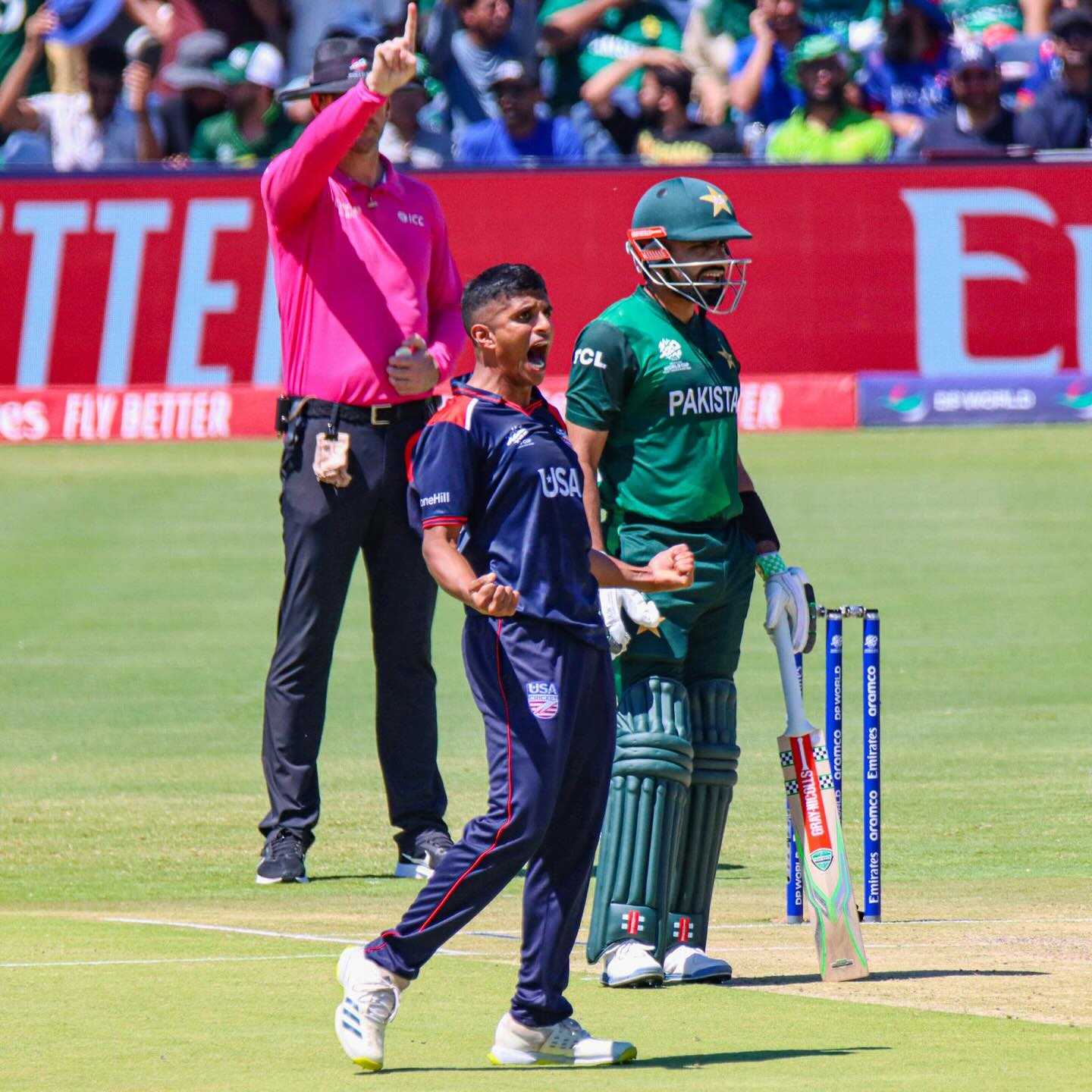
Between & Beyond 22 yards with Nosthush Kenjige (US, MI Emirates, MI New York)

RN: Nosh, you picked up 3-30 vs Pakistan in the recent T20 World Cup on home soil that contributed to an upset win over a test playing nation. What was it like to be an American cricketer that day?
NK: We went into the World cup with a lot of self belief knowing that we would do something special. We were coming on the back of beating Bangladesh in a T20 series and we played some intelligent and fearless cricket with absolutely nothing to lose. Nobody expected us to win and it was just a case of us expressing ourselves and living the moment.

The game was also special as I was playing on my home ground in Dallas. My family and friends flew down from all over and I think it will be a memory etched in my heart forever. It has to be one of the most intense games I have played, opening the bowling to batters I have watched on TV was just an unreal feeling. We grew up watching Pakistan and India play in tense battles and I am very grateful to have had the opportunity to battle against them on such a world stage.

It also caught the imagination of the Americans who were new to cricket. They loved the entertainment, the uncertainties of a super over and the whole underdog story, so it’s a very special feeling to be part of a game that will be in the history books. I hope it leads to bigger and better things to come for the game in the US.

RN: What was it like bowling alongside one of the best modern day white ball spinners, Rashid Khan, at MI New York recently?
NK: For starters, I would not do justice if I don’t mention what a humble and genuine human being he is outside of cricket. His attitude and fighting belief that he brings into every battle stand out and makes him a world beater.

Getting to explore the mind of the best spinner was a fascinating experience. We would discuss strengths and weaknesses of batters and the kind of lines to bowl to each batter in different scenarios. For example, if Faf Du Plessis got going, the plan was to bowl at the wide line since he doesn’t cut (3 men behind point in the ring). He likes to drag it towards long on and mid wicket. The plan worked & we had success against him.

Rashid helped me understand how I can create doubts in the batter’s mind using angles and speed variations. It was really heartening to celebrate the success together at MI.

RN: The introduction of the MiLC (Minor League Cricket) and the MLC (Major League Cricket) has generated interest across the globe with plenty of aspiring & out of favour cricketers wanting to consider a move to the US. You are one of the few US born cricketers in the team. What are some of the challenges involved with being a professional cricketer in the US ?
NK: Being born and brought up here in the States is a disadvantage due to the infrastructure and the lack of professionalism in the local cricketing circles. The lack of turf wickets for training and games, lack of competitive cricket around the year makes it harder to compete against someone who has gained exposure competing in foreign conditions. It gives some of them an advantage being part of a system that builds all the cricketing etiquettes. Also, financially, it is not the most rewarding so cricketers have to look at part time gigs like coaching on the side.

MiLC and MLC have started addressing the issue over the last couple of years by building stadiums and high quality turf wickets . They have also started handing out yearly contracts which have had a positive impact. Things are starting to look up and I personally believe cricket is about to take off in the US. It is an exciting time for any aspiring cricketer with the 2026 T20 World Cup and the LA 2028 Olympics on the horizon.

Both leagues have created a pathway and a structure that have paved a path for the youngsters to learn and play alongside the best in the world. There is more interest than ever for professional cricketers from around the world to move to the US.

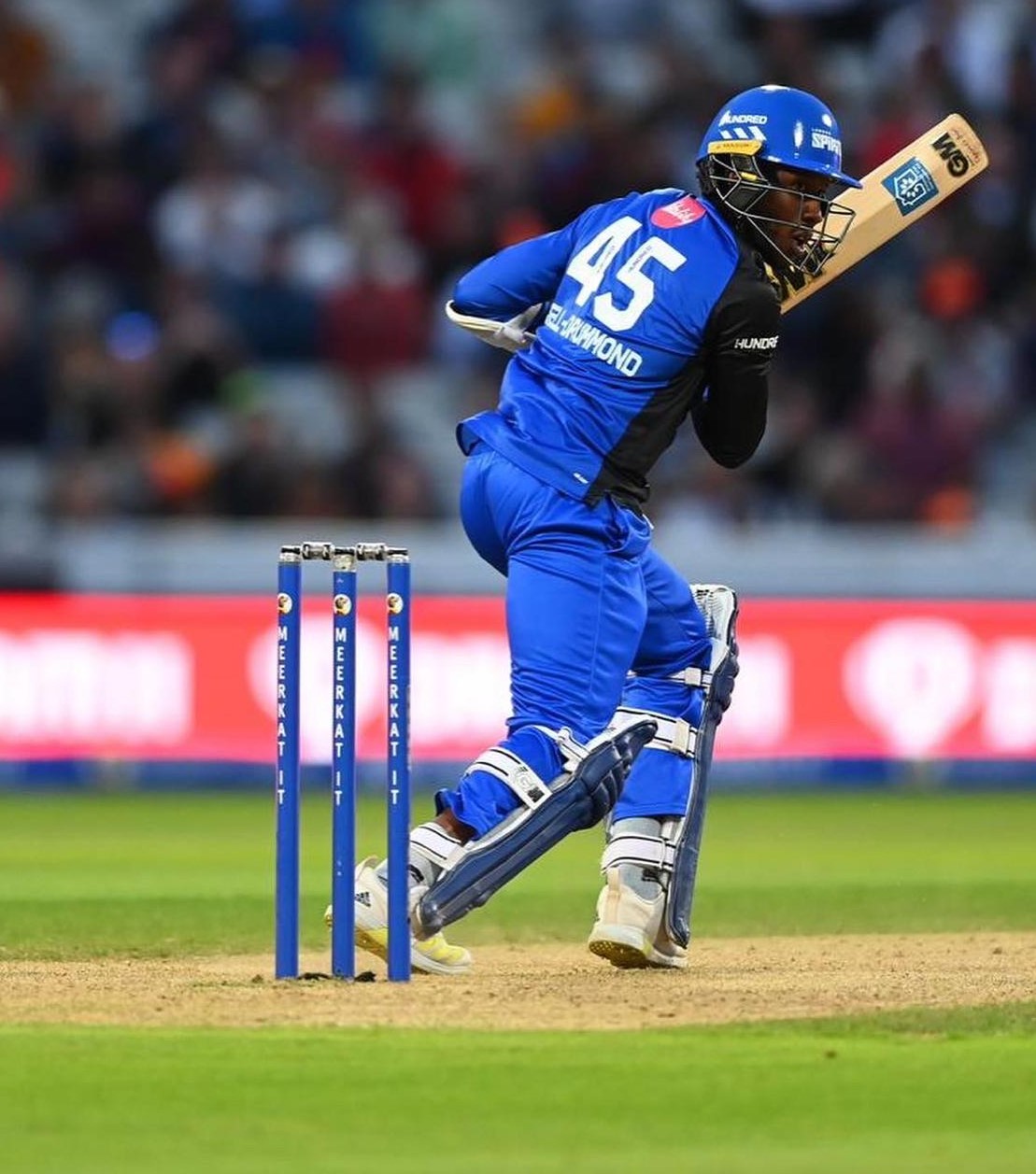
Between & Beyond 22 yards with Daniel Bell-Drummond (Captain of Kent CC, England Lions, London Spirit, Birmingham Phoenix, Auckland)

RN : Daniel Bell Drummond, you had a highly successful England youth career and were once described as the ‘most exciting young batsman’ from the country. How have you managed the expectations over the years that come with being a professional cricketer who is close to knocking on the door of international cricket?
DBD: I have always had high expectations of myself and from others. Growing up, it was difficult at times to deal with the pressure but I grew more accustomed to it and have definitely taken it in my stride. It is a great thing to be spoken about positively as someone having high potential to go far. I have certainly enjoyed the hype to some degree.

In the last 5 years a lot has changed, where sometimes I am seen as someone who has not lived up to my potential because I have not played for England (yet), however, I am able to separate myself from this. I am very proud of the career I have had thus far and I trust that there are a lot more good days ahead. I still have personal goals too that I want to achieve on my cricketing journey.

RN : How do you prepare for a game the day/night before? Are there any specific routines or drills you follow to get yourself in the zone both skillswise and mentally?
DBD : From a training perspective, I will train accordingly to make sure I am in a good place with my game. I like to face the sling & go through some batting drills to make sure I am ticking all the right boxes. The night before, I will go through the opposition players and figure out which bowlers I will come up against. I will visualize batting against them. I prefer having a quiet evening and being in my own space so that I am feeling focused for the next day.

RN : How does your training differ during the off-season vs during the season when there are plenty of games on?
DBD : In the off season, I tend to work on different things. Sometimes I will re-model my game by changing my trigger or backswing. It is a great time to start afresh as I am out of competition, so I am always looking to expand on what I have. Last winter, I worked on my white ball game in particular, improving my range hitting and sweeps.

During the season with the schedule being hectic, I tend to stick with my drills and really focus on the basics to put me in the best place for the next match. I try playing the odd club game or friendly to work on little changes so that I can get a feel of how things work in match situations when the pressure is a lot less than a professional game.


Between & Beyond 22 yards with Darren Berry (Former Assistant Coach of Rajasthan Royals, Former Head Coach of Adelaide Strikers, Sheffield Shield Winner)

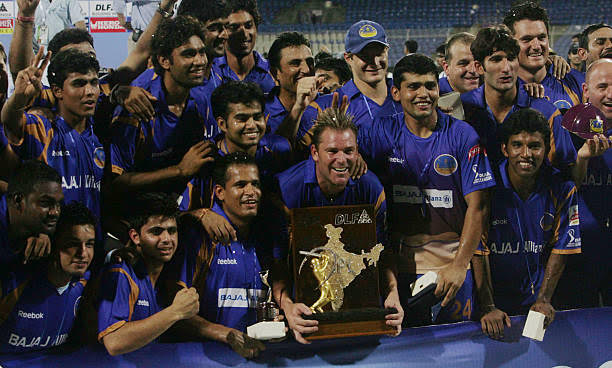
RN : Darren, a lot of people will remember you fondly as the Coach of the Rajasthan Royals in the first few seasons of the IPL. The late magician, Warney and you were instrumental in guiding a young team to success. What are some of the key areas that led to lifting the trophy in the 1st season?
DB : Rajasthan Royals winning the first ever IPL was a monumental achievement given the underdog status we were given with a bunch of uncapped Indian talent. Shane Warne led the team brilliantly on the field and I was delighted to play a role as his assistant coach & strategy advisor off the field. Alongside sports Psychologist & ex England cricketer Jeremy Snape, we formed a wonderfully diverse coaching group. In addition, we had coaching support from locals, Monty Desai and Satish Samant who were both from Mumbai and had excellent local knowledge and passion for the game.

There was a lot of preparation work involved and I invested time getting to know the players in their own environment. The training and talent identification camps were invaluable in building trust (crucial element) within the playing group.

Once the final squad was assembled we gave each player a designated role within our squad and also for some light hearted fun we gave each player a nickname to match their roles. Little Swapnil Asnodkar from Goa was dubbed the “Goa Cannon”, a young Ravindra Jadeja “the rockstar”  etc etc.  The boys embraced their names by shining in  their respective roles during the IPL season. Warney had all the players believe they could move mountains and they certainly did.

“Tension leneka nahi, deneka”

The environment created was fantastic where all players could express themselves and excel. It was a memorable season and one that will always go down in the history of the IPL as the one where the Underdogs lifted the title. For the record, it was one of Shane Warne’s proudest cricketing moments. Long live the king !!

RN: You were called up last minute to an Ashes tour midway through your honeymoon but never got to play international cricket despite playing 150+ FC games and tasting success. What are some of the lessons you pass onto young & aspiring cricketers from this experience & your own journey?
DB :  The Ashes tour in 1997 to the UK was as close as I came to playing for Australia. My dream of playing Test cricket never came to fruition as I sat behind Ian Healy & Adam Gilchrist throughout my 15 year first class career. I’m proud of what I achieved as captain of Victoria and the wonderful experiences I had during my career. Cricket has taught me many lessons of persistence and resilience that have held me in good stead post career. The journey is just as important as the destination.To young kids – Chase your dream & chase it hard. Never ever give up!!

RN : ”Spin to Win” – you strongly believed in that theory with white ball cricket when you coached South Australia and the Strikers. What are 2-3 qualities a young spinner must possess to succeed in professional cricket in Australia?
DB : SPIN TO WIN was a phrase I developed while coaching SA & Adelaide Strikers. A majority of Australian batsmen are not good players of spin, hence my philosophy was born. We played 3 spinners in most T-20 games and although we were ridiculed in the media it proved very successful.  It was our point of difference.

Young spinners must learn to spin the ball and be very brave. They should not be afraid to get hit for a boundary or two as it’s one ball closer to getting a wicket. Captains play an important role in nurturing and developing spinners.It takes patience to perfect the craft of spin. Young spinners should practice hard to develop a consistent stock ball before experimenting with their variations. Shane Warne and Nathan Lyon, are both incredibly consistent with their stock ball and impart plenty of spin on them and that is why they are Australia’s two most successful spinners. I played alongside one and coached the other.  Although different spinners, both had a fierce tenacity to compete and to never give in. BELIEVE!

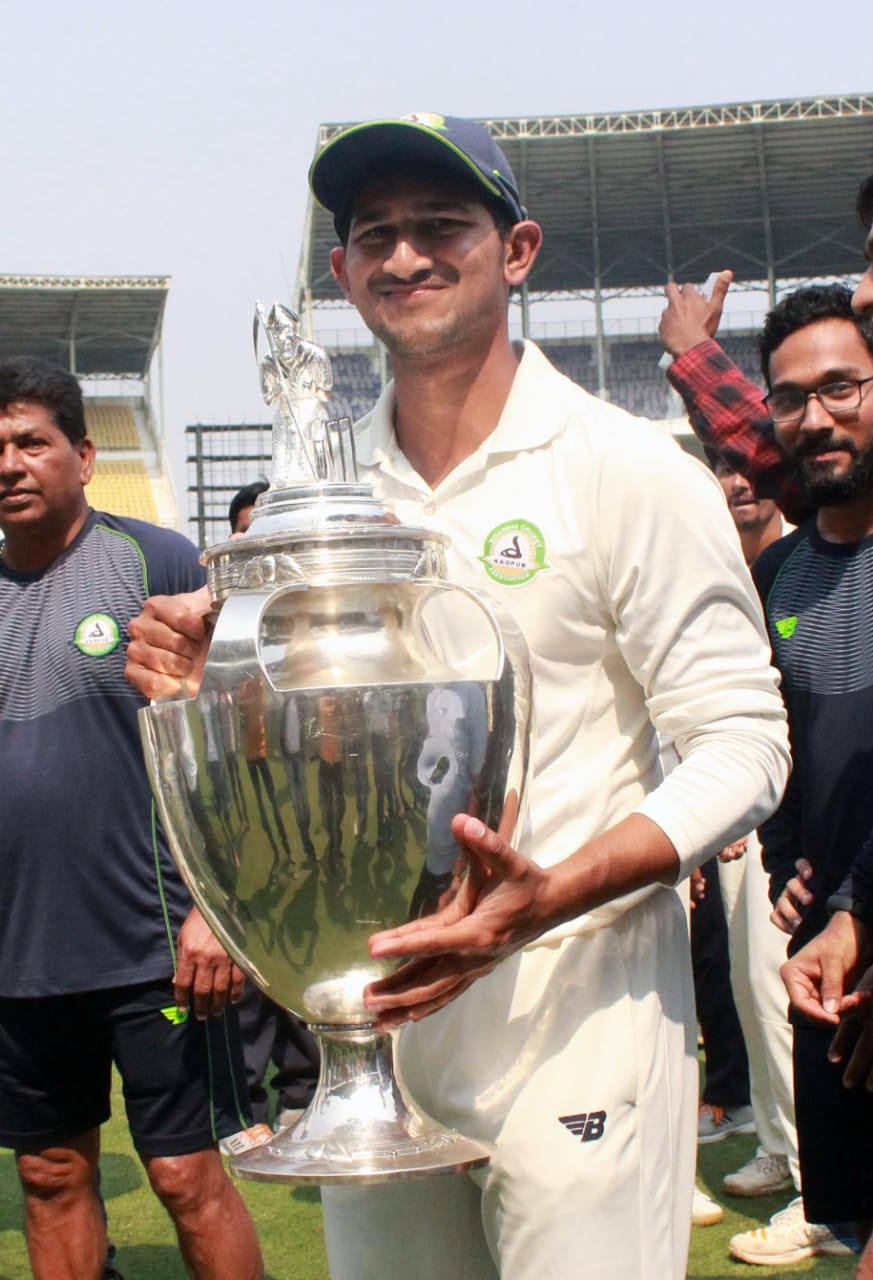
Between & Beyond 22 yards with Ganesh Satish (India A, Karnataka, Vidarbha, 3 time Ranji Trophy Winner)

RNI fondly remember your double hundred vs TN in Chennai on a turner in 2012. You have played over 100 FC games and one of the biggest strengths has been your ability against Spin bowling. What are your main lessons to youngsters who want to play spin well?
GS: To play spin well and dominate spinners in good batting conditions or to negotiate top quality spin on turners you need to either play the sweep shot really well or you need to be able to use your feet. I was never a great exponent of the sweep shot but I do use my feet very well. Using your feet does not necessarily mean only stepping out of the crease, it’s also the ability to go deep in the crease and convert the back of length balls into scoring opportunities. Using one’s feet & the sweep shot unsettle the bowler’s length and that gives you opportunities to score off the back foot which can be crucial when playing quality spinners on helpful wickets. But the most important thing according to me is having a good defense. If you do not have that skill you may get away with it in a couple of games but to be consistent you need to really trust your defense.


RNYou are also a qualified Engineer. How did you balance between studies and cricket given you were in the State system right from Age group cricket? 
GS: I come from a family where both my parents are Doctors, so studies was always the primary focus at home until I played for the India U-19 team. My parents always encouraged me to play cricket but ensured I made time for studies and honestly I think studies helped with my cricket and vice versa. The ability to concentrate for long periods and develop sharp thinking under pressure are some traits that I got from my focus on studies. It was not too difficult to make time for studies even when I was playing first class cricket and completing my engineering. It just took a little bit of effort mentally.


RNEvery young cricketer in India grows up wanting to play for India. The closest you came to it was India A. How do you keep yourself motivated to keep going in domestic cricket?
GS: There will always be disappointments when you set out to play cricket professionally whether it is representing the state teams or your country or maybe franchise cricket nowadays, but in those moments I always remind myself of why I started playing the game. I just love batting and playing the game and being out there on the field. That’s the only motivation I needed and at a very young age I realized that selection was not in my control but working hard and being prepared was. So I focused on that and the motivation was to give my best every game and win games for the team. It has kept me going and also helped me be part of 3 Ranji trophy-winning teams.